Neuroendovascular surgery is a highly specialized, minimally invasive procedure used to treat brain and spinal vascular conditions. These conditions include aneurysms, arteriovenous malformations (AVMs), stroke, and other blood vessel disorders that affect the brain and spine.
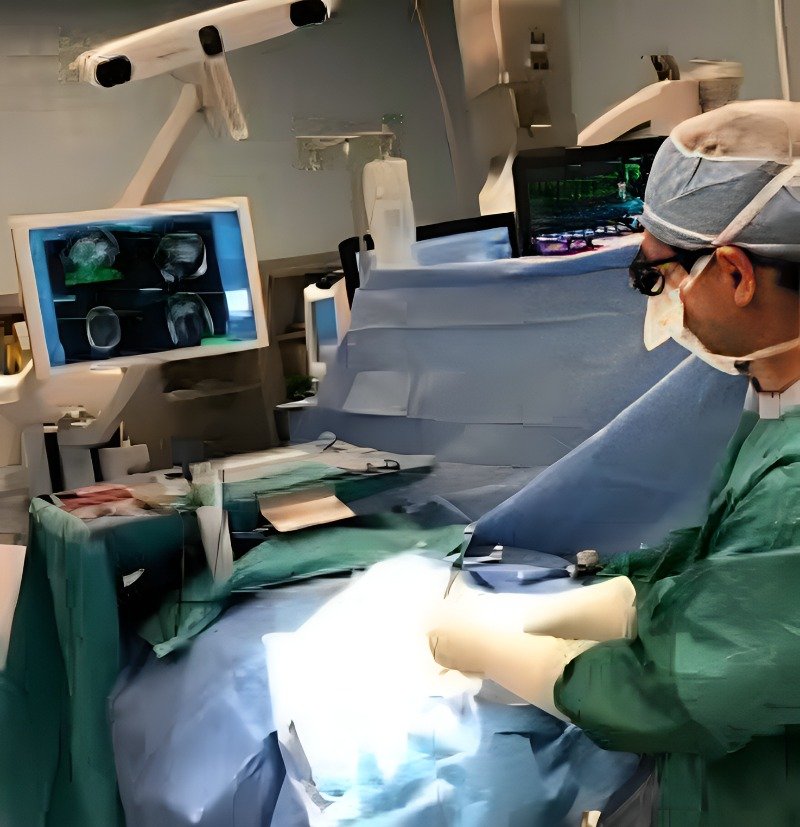
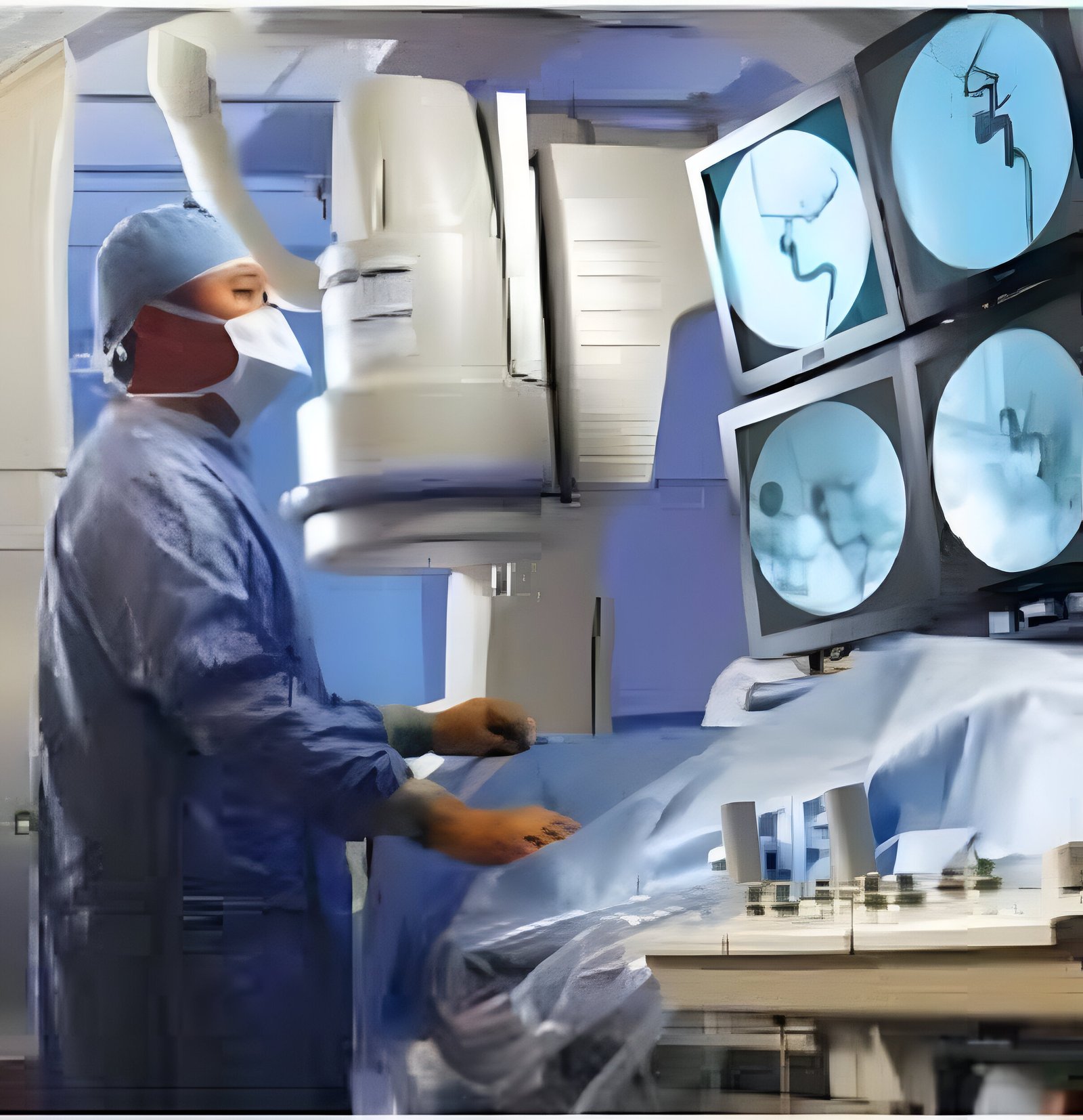
This modern surgical technique involves the use of catheters, stents, coils, and other advanced tools to access blood vessels through small incisions in the arteries. Using advanced imaging technologies, our surgeons can precisely treat vascular conditions without the need for open surgery, reducing the risks and recovery time associated with traditional procedures.
Conditions Treated with Neuroendovascular Surgery
- Brain Aneurysms : Abnormal bulging of blood vessels in the brain that can be life-threatening if ruptured.
- Arteriovenous Malformations (AVMs) :Arteriovenous Malformations (AVMs): Abnormal tangles of blood vessels that can lead to bleeding in the brain or spinal cord.
- Stroke : Treatment for both ischemic stroke (caused by blood clots) and hemorrhagic stroke (caused by bleeding in the brain).
- Brain and Spinal Vascular Malformations : Includes conditions like cavernous malformations and dural arteriovenous fistulas.
- Carotid Artery Disease : Narrowing of arteries leading to the brain, increasing the risk of stroke.
Benefits of Neuroendovascular Surgery
- Minimally Invasive : Smaller incisions mean less disruption to surrounding tissues, resulting in faster recovery and less pain after the procedure.
- Reduced Risk of Infection : Compared to traditional open surgery, neuroendovascular techniques significantly reduce the risk of infection.
- Faster Recovery : Since the procedure is minimally invasive, most patients experience a shorter hospital stay and can return to their normal activities quicker.
- Precision and Accuracy : Advanced imaging technologies, such as angiography, allow the surgeon to see the exact location of the problem, leading to more accurate treatment.
- Fewer Complications : Neuroendovascular procedures are associated with a lower risk of complications, such as bleeding and scarring, compared to traditional open surgery.
How Neuroendovascular Surgery Works
Neuroendovascular surgery is performed by making a small incision in the groin or arm where a catheter is inserted into the artery. The catheter is guided through the blood vessels to the affected area using real-time imaging (such as CT scans, MRI, or angiograms). Once the catheter reaches the target area, the surgeon can treat the vascular condition by using devices like:
- Coils to block off aneurysms.
- Stents to support blood vessels and prevent collapse.
- Embolization agents to block abnormal blood vessels
- Balloon angioplasty to open up blocked blood vessels.
Why Choose Us for Neuroendovascular Surgery?
At Dr. Deepak Lohia Neurosurgery Clinic, we are dedicated to providing cutting-edge treatments for vascular conditions affecting the brain and spine. Our team of experienced surgeons is highly trained in neuroendovascular techniques, ensuring that you receive the most effective and safe treatment available.
Key Reasons to Choose Our Clinic:
- Expert Surgeons: Led by Dr. Deepak Lohia, a specialist in neuroendovascular surgery, our team has the skills and experience to treat even the most complex vascular conditions.
- State-of-the-Art Technology: We use the latest imaging and surgical tools, ensuring precision and accuracy in every procedure.
- Minimally Invasive Procedures: Our focus is on using minimally invasive techniques to reduce recovery times and improve patient outcomes.
- Personalized Care: We take the time to understand each patient’s unique condition and provide a personalized treatment plan that best suits their needs.
Is Neuroendovascular Surgery Right for You?
Neuroendovascular surgery may be the right option for you if you have been diagnosed with a vascular condition affecting your brain or spine. If you’re suffering from an aneurysm, AVM, or stroke, it’s important to consult with an experienced neurosurgeon to determine the best course of action.
Our team will evaluate your condition through detailed imaging tests and provide you with the best options to treat your vascular condition, whether through neuroendovascular surgery or other non-surgical treatments.