Minimally Invasive Spine Surgery (MISS) is a modern surgical approach that allows surgeons to treat a wide range of spine conditions using small incisions, specialized tools, and high-tech imaging. This technique minimizes trauma to the surrounding tissues, leading to faster recovery, less pain, and shorter hospital stays compared to traditional spine surgery.
At Dr. Deepak Lohia Neurosurgery Clinic, we use the latest minimally invasive techniques to treat spine-related conditions, including herniated discs, spinal stenosis, degenerative disc disease, and spinal fractures, among others
Conditions Treated with Minimally Invasive Spine Surgery
- Herniated Discs : When the soft center of a disc pushes through a crack in the harder exterior, it can irritate nearby nerves, causing pain, numbness, or weakness.
- Spinal Stenosis :Narrowing of the spinal canal, which puts pressure on the spinal cord and nerves, leading to back pain, weakness, and in severe cases, difficulty walking.
- Degenerative Disc Disease : A condition where the spinal discs deteriorate, causing pain and stiffness.
- Scoliosis : An abnormal curvature of the spine.
- Spinal Fractures : Injuries to the bones of the spine due to trauma, such as from accidents or falls.
How Minimally Invasive Spine Surgery Works
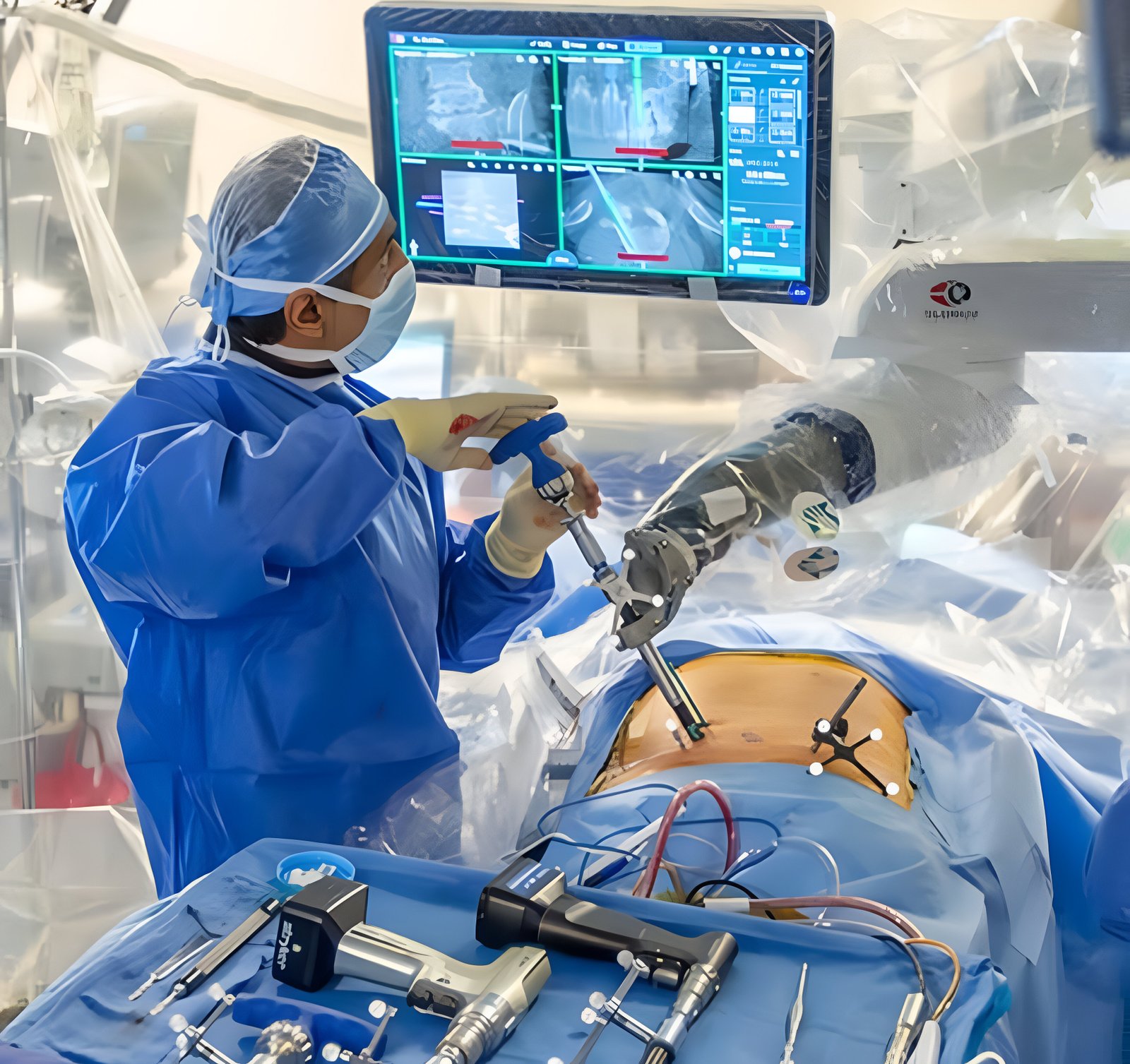
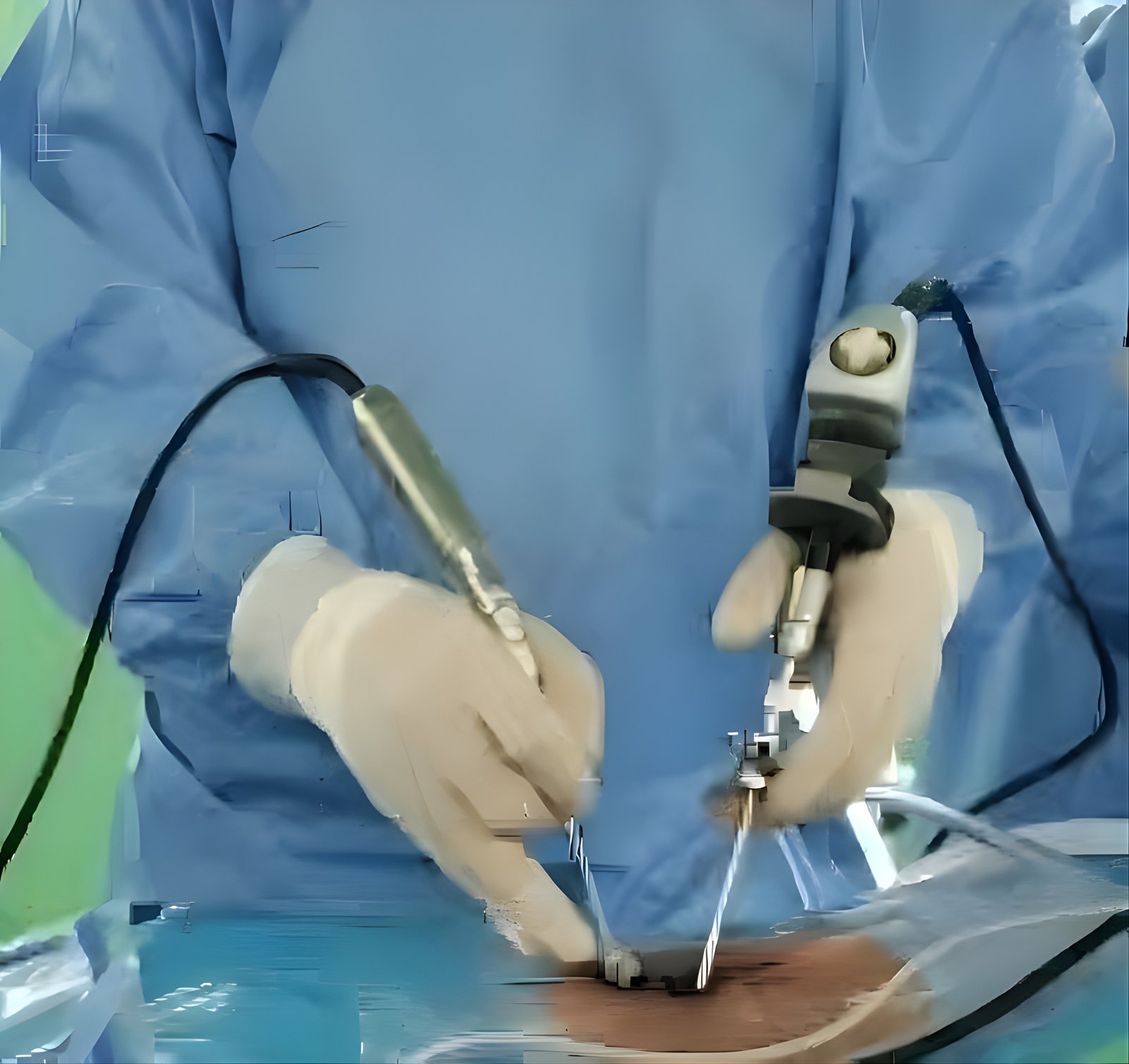
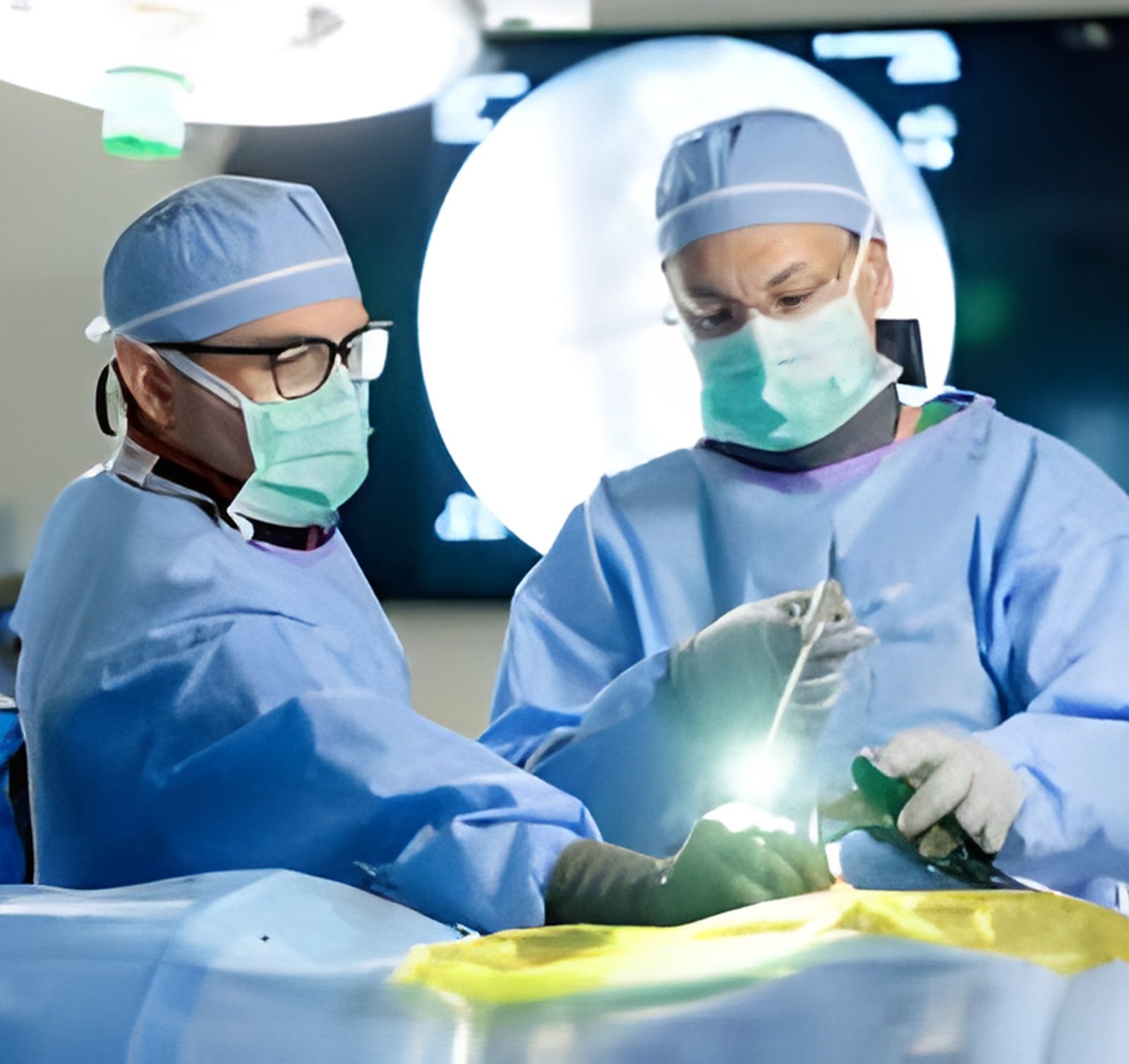
In minimally invasive spine surgery, surgeons use small incisions (usually less than an inch), through which specialized instruments are inserted. Using high-resolution imaging, such as CT scans or MRI, the surgeon is able to view the affected area in real-time and perform the procedure with high precision.
Some common types of minimally invasive spine surgeries include:
- Endoscopic Discectomy : Removal of the damaged portion of a herniated disc using an endoscope.
- Spinal Fusion : Fusing two or more vertebrae together to stabilize the spine in cases of instability or injury.
- Laminectomy : Removal of a small portion of the vertebrae (the lamina) to relieve pressure on the spinal cord or nerves.
- Foraminotomy : Widening of the opening where the nerve roots exit the spine, to relieve nerve compression.
Benefits of Minimally Invasive Spine Surgery
- Smaller Incisions Unlike traditional open surgery, which requires large incisions, minimally invasive spine surgery uses small cuts, resulting in minimal scarring.
- Faster Recovery The smaller incisions cause less tissue damage, which leads to less pain, shorter hospital stays, and quicker return to normal activities.
- Reduced Risk of Infection Since the incisions are smaller, there is a lower risk of infection compared to traditional surgeries.
- Less Post-Operative Pain Patients experience less discomfort after surgery due to the reduced trauma to the tissues.
- Improved Accuracy : Advanced imaging techniques allow the surgeon to operate with precision, targeting only the affected areas and minimizing damage to healthy tissues.
Is Minimally Invasive Spine Surgery Right for You?
Not all spine conditions can be treated with minimally invasive techniques. Dr. Deepak Lohia and his team will conduct a thorough evaluation, including physical exams and imaging tests, to determine if you are a suitable candidate for minimally invasive surgery.
If conservative treatments like physical therapy, medications, or epidural injections do not provide relief, minimally invasive spine surgery may be a viable option to address the underlying problem.
Why Choose Us for Minimally Invasive Spine Surgery?
At Dr. Deepak Lohia Neurosurgery Clinic, we specialize in minimally invasive spine surgery and are dedicated to providing the best possible care for our patients.
Reasons to choose us:
- Advanced Technology : We use the latest endoscopic instruments and imaging systems to perform spine surgery with precision.
- Experienced Surgeons : Dr. Deepak Lohia and his team are highly trained in the latest minimally invasive techniques.
- Personalized Care : We tailor each treatment plan to suit the individual needs of our patients, ensuring the best outcomes.
- Faster Recovery : Minimally invasive surgery means you’ll experience less pain and get back to your daily routine quicker.